Contact Us




What is a Material Hoist Lift – Complete Guide by Everest Engineering
If you’ve ever walked past a construction site and wondered how heavy materials get carried up tall buildings with such ease, the answer lies in a powerful piece of equipment the material hoist lift. At Everest Engineering, we believe that understanding the machines that build our world is just as important as using them safely and efficiently. Let’s take a journey into what a material hoist lift is, how it works, its types, benefits, and the essential safety and maintenance practices that keep it running smoothly.
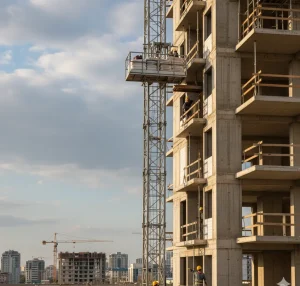
What is a Material Hoist Lift?
A material hoist lift is a vertical transport system designed to carry construction Training materials and heavy loads to different levels of a building or industrial structure. It’s like the backbone of construction logistics saving both time and manpower.
At Everest Engineering, our material hoist lifts are engineered for strength, reliability, and safety, helping construction teams move materials quickly and securely. Whether it’s steel rods, cement bags, or tools, a hoist lift ensures everything reaches the right place without delay.
How Does a Material Hoist Lift Work?
Understanding how a material hoist lift works is simpler than you might think. It operates through a combination of electric motors, wire ropes, pulleys, and safety brakes. When the operator activates the lift, the motor drives the hoisting mechanism, pulling the platform up or lowering it down.
The working mechanism of a material hoist lift ensures smooth lifting motion while keeping the load Installation and Dismantling balanced and stable. At Everest Engineering, our hoists are built with precision gearboxes and advanced control panels that allow operators to work efficiently and safely, even in demanding construction environments.
Types of Material Hoist Lifts
When it comes to types of material hoist lifts, each construction project has its own unique needs. Some common types include:
- Rack and Pinion Hoist Lifts – These are driven by gear systems and ideal for heavy-duty construction.
- Wire Rope Hoists – Suitable for lighter loads and smaller projects.
- Single-Cage Hoists – Designed for lifting materials in one compartment.
- Twin-Cage Hoists – Allow simultaneous lifting and lowering, saving time on large sites.
At Everest Engineering, we customize our hoist lifts based on project size, load capacity, and operational requirements, ensuring every client gets the perfect match for their needs.
Benefits of Using a Material Hoist Lift
The benefits of using a material hoist lift go far beyond convenience. Here are some of the key advantages:
- Improved Efficiency: Materials can be transported quickly, reducing downtime and boosting productivity.
- Enhanced Safety: Reduces the risk of manual lifting injuries and accidents on-site.
- Cost Savings: Requires fewer labor resources and minimizes delays.
- Precision Delivery: Delivers materials exactly where needed, improving workflow.
At Everest Engineering, we’ve seen firsthand how reliable hoist girder transporter systems help construction companies complete projects faster and more safely.
Material Hoist Lift Specifications
Before choosing a lift, it’s essential to understand material hoist lift specifications. The key specifications generally include.
- Lifting Height: Customizable up to the top of high-rise buildings.
- Speed: Usually between 30–60 meters per minute.
- Power Source: Operates through three-phase electric motors.
- Platform Size: Designed according to load dimensions.
Everest Engineering ensures every lift is built to meet strict quality standards and tested rigorously before installation.
Safety Precautions for Material Hoist Lift
Safety is the heart of every lifting operation. Following safety precautions for material hoist lift helps prevent accidents and equipment damage. Some golden rules include:
- Always ensure the lift is operated automatic cnc stirrup bender machine by trained personnel.
- Check for any loose parts or wire fraying before each use.
- Never overload beyond the specified capacity.
- Keep the hoist platform clean and balanced.
- Regularly inspect safety brakes and limit switches.
At Everest Engineering, we provide complete training and maintenance support to ensure operators use our hoists safely and effectively.
Maintenance of Material Hoist Lifts
Regular maintenance of material hoist lifts is essential to cnc double bender keep them performing optimally. Simple maintenance habits can extend the life of your lift and reduce costly breakdowns.
Our experts at Everest Engineering recommend:
- Lubricating moving parts frequently.
- Inspecting wire ropes and pulleys weekly.
- Conducting electrical checks monthly.
- Scheduling professional servicing every six months.
These steps ensure your lift remains reliable throughout your project timeline.
Final Thoughts
The material hoist lift isn’t just another construction machine it’s a partner in tower crane building progress. From understanding how a material hoist lift works to knowing its types, specifications, and safety measures, every detail contributes to a safer and more efficient site.
At Everest Engineering, we take pride in manufacturing durable, high-performance hoists that power India’s construction growth. If you’re looking to invest in a reliable material hoist lift, visit everestengg to explore our range and get expert guidance tailored to your project.
Frequently Asked Questions
1. What is a material hoist lift and where is it used?
A material hoist lift is a vertical lifting machine used on construction sites to move heavy materials like cement, bricks, or steel bars to higher floors. It helps reduce manual labor, saves time, and ensures materials are safely transported where needed. At Everest Engineering, these lifts are designed for efficiency and long-term durability.
2. How does a material hoist lift work?
To understand how a material hoist lift works, imagine a platform connected to a motor-driven pulley system. When powered on, the motor lifts or lowers the platform using strong steel cables. This simple but powerful mechanism helps construction workers move materials quickly and safely to different levels.
3. What are the types of material hoist lifts available?
There are several types of material hoist lifts, including rack-and-pinion hoists, wire rope hoists, single-cage hoists, and twin-cage hoists. Each type serves different purposes based on load capacity and building height. Everest Engineering offers customizable hoists suitable for all types of construction projects.
4. What are the benefits of using a material hoist lift on construction sites?
The benefits of using a material hoist lift include faster material transport, reduced physical strain on workers, improved site safety, and better productivity. Using a hoist also minimizes delays, which helps contractors complete projects more efficiently and on schedule.
5. What are the key material hoist lift specifications to consider before buying?
Before purchasing, it’s important to review material hoist lift specifications such as load capacity, lifting height, platform size, and power source. These details ensure the lift suits your project’s requirements. Everest Engineering provides hoists with customizable specifications to match every construction need.
6. What are the essential safety precautions for material hoist lift operation?
Following safety precautions for material hoist lift use is critical. Operators should avoid overloading, inspect the lift regularly, ensure proper balancing of materials, and only allow trained personnel to operate the machine. These practices help prevent accidents and maintain long-term performance.
7. How to maintain material hoist lifts for long-term performance?
Regular maintenance of material hoist lifts includes lubricating moving parts, checking wire ropes, inspecting brakes, and conducting electrical safety tests. At Everest Engineering, we recommend scheduled maintenance every six months to ensure smooth operation and safety compliance.
8. What is the material hoist lift working mechanism?
The material hoist lift working mechanism involves an electric motor, wire ropes, and a gearbox system. When activated, the motor drives the ropes to lift or lower the platform. Safety brakes and control panels ensure stable and controlled movement of heavy materials across multiple levels.
9. How to choose the right material hoist lift for your project?
Choosing the right material hoist lift depends on your project’s load capacity, height requirements, and work environment. For example, a twin-cage hoist is ideal for high-rise construction, while a single-cage hoist suits smaller buildings. Everest Engineering can help you select the perfect model for your needs.
10. Why should you buy a material hoist lift from Everest Engineering?
Everest Engineering is known for manufacturing strong, reliable, and safe material hoist lifts. Each lift is designed with precision, tested for safety, and built to handle tough site conditions. Choosing Everest means investing in quality, performance, and after-sales support.
Important Links
Blog
Sitemap
About Us
Contact Us
Privacy Policy
Products
Infrastructure Equipments
Girder Launcher
Girder Transporter
Straddle Carrier
Construction Equipment
Tower Cranes
Passenger cum Material Hoists
Mast Climbing Platforms
Anti Collision Devices
Rebar Processing Machines
CNC Stirrup Bender
CNC Double Bender
CNC Shear Line
CNC Cage Making Machines
Lattice Girder Machines
Weld Mesh Plant
Services
Office Address
B1201-1202, Shelton Sapphire, Plot 18-19, Sector 15, CBD Belapur, Navi Mumbai – 400614
Emails
Phone