Contact Us




Practical Safety Guidelines for Safer Girder Launching Work
Safety guidelines for girder launching are not just rules written on paper they are lifesavers. If you are part of a construction team or managing bridge projects, you already know how complex, risky, and high-pressure girder launching can be. At Everest Engineering, we work closely with field teams, and we’ve seen how the right safety steps can prevent accidents and make every operation smoother and more predictable.
In this blog, you’ll learn how to improve safety, reduce risks, and adopt better work practices in girder launching and heavy lifting operations.
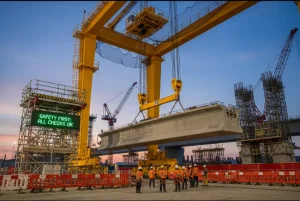
Understanding Heavy Lifting Safety Procedures
One of the core areas where teams struggle is following proper heavy lifting safety procedures. Rent girder transporter in india These procedures act like a roadmap, guiding workers through every step from preparing equipment to confirming stability before the launch.
Many accidents happen when teams skip small steps like checking sling conditions or verifying alignment. At Everest Engineering, experts always recommend a simple rule: never assume anything is safe unless it has been checked and documented. This mindset reduces risk and ensures safe lifting from start to finish.
Why a Girder Launching Safety Checklist Matters
A well-prepared girder launching safety checklist makes the operation far more dependable. It includes steps such as:
- Inspecting the girder launcher before use
- Verifying ground stability
- Checking weather and wind conditions
- Ensuring proper communication signals
- Confirming that all workers are in safe zones
Including a checklist ensures the entire Industrial drill machine team stays aligned. Everest Engineering often helps project teams create custom checklist formats suited to the specific type of launcher and project conditions.
Risk Management in Heavy Lifting Operations
Without solid risk management in heavy lifting operations, even the best teams can face unexpected issues. Risk management means identifying potential hazards early equipment failure, load imbalance, poor visibility, or sudden weather changes.
The key is preparation. Many bridge sites now tool small construction equipment use digital monitoring tools to assess risks in real time. Everest Engineering supports teams in using modern systems that track load pressure, movement angles, and equipment conditions. These insights help supervisors act before a problem becomes an accident.
Safety Rules for Bridge Girder Erection
Every project must follow strict safety rules for bridge girder erection. These rules cover everything from crane movement to worker positioning. Some of the essential rules include:
- Only trained and certified operators should handle heavy machinery
- Never allow workers to stand under suspended loads
- Maintain constant communication through radios or gesture systems
- Secure the work zone with barriers and restricted entry
These rules not only protect workers but also ensure the project progresses without delays caused by safety incidents.
Following Heavy Lifting Equipment Safety Standards
Modern machinery must meet international heavy lifting equipment mast climber installation safety standards. This includes regular inspection, periodic testing, and certification checks. Everest Engineering ensures its equipment is compliant with industry standards so teams can trust their tools during critical stages of girder launching.
When equipment meets the right safety benchmarks, the risk of mechanical failure drops significantly. This gives both workers and managers peace of mind.
Worker Safety in Girder Launching Projects
At the heart of every safe project is worker safety in girder launching projects. Workers must receive proper training before they step onto the site. They should also wear full PPE helmets, gloves, safety shoes, reflective jackets, Hammer For Drilling and harnesses when required.
But safety is not only about gear. It’s about awareness. Teams must stay alert, understand signals, follow instructions, and avoid distractions. Everest Engineering encourages daily briefings or “toolbox talks” to keep everyone mentally prepared.
Best Practices for Safe Heavy Lifting Operations
The top best practices for safe heavy lifting operations combine rebar shear line training, technology, planning, and discipline. Some of the most effective practices include:
- Using only calibrated and certified lifting tools
- Planning lifts with proper load distribution
- Maintaining clear communication lines
- Keeping equipment logs and safety records
- Conducting mock drills before major girder launches
When these practices become part of the daily routine, safety improves naturally.
Conclusion
Girder launching is one of the most demanding tasks in bridge construction, and safety should always be the first priority. With strong guidelines, proper checklists, risk management, and reliable equipment from Everest Engineering, your project becomes safer, faster, and more efficient.
If you want expert support, high-quality machinery, or guidance for safe girder launching operations, Everest Engineering is always ready to help your team build with confidence.
Frequently Asked Questions
1. What are the basic safety guidelines for girder launching?
The basic safety guidelines for girder launching include checking equipment conditions, maintaining safe distances, ensuring proper communication, and following a step-by-step work plan to avoid accidents during the girder launch.
2. Why are heavy lifting safety procedures important in bridge projects?
Heavy lifting safety procedures help prevent equipment failure, worker injuries, and load imbalance. These procedures guide workers on correct lifting methods and ensure all operations follow tested safety rules.
3. What should be included in a girder launching safety checklist?
A girder launching safety checklist should include pre-inspection of machinery, ground stability checks, load balancing checks, weather assessment, securing work zones, and verifying operator readiness before every launch.
4. How does risk management in heavy lifting operations improve safety?
Risk management in heavy lifting operations helps identify hazards early, such as unstable loads or mechanical issues, and allows teams to take corrective action before the lift begins, ensuring safer project execution.
5. What are the key safety rules for bridge girder erection?
The main safety rules for bridge girder erection include restricting unauthorized entry, ensuring trained operators handle machinery, avoiding standing under loads, and keeping continuous communication between the lifting and ground teams.
6. Why are heavy lifting equipment safety standards necessary?
Heavy lifting equipment safety standards ensure that machines are tested, certified, and functioning properly. Following these standards reduces the chance of equipment breakdowns and increases the reliability of lifting operations.
7. How can worker safety in girder launching projects be improved?
Improving worker safety in girder launching projects requires proper training, personal protective equipment (PPE), clear communication, safe movement zones, and daily safety briefings to keep workers alert and informed.
8. What are the best practices for safe heavy lifting operations?
The best practices for safe heavy lifting operations include using certified tools, planning load distribution correctly, performing pre-lift inspections, keeping records, and ensuring only trained professionals manage lifting machinery.
9. How does Everest Engineering support safe lifting and girder launching?
Everest Engineering supports safety by providing reliable equipment, clear guidelines, and expert advice that align with safety guidelines for girder launching, helping teams work efficiently and safely.
10. How does a safety checklist help reduce risks during girder launching?
A detailed checklist supports risk management in heavy lifting operations by ensuring every step equipment inspection, communication checks, and worker positioning is completed before the launch begins.
Important Links
Blog
Sitemap
About Us
Contact Us
Privacy Policy
Products
Infrastructure Equipments
Girder Launcher
Girder Transporter
Straddle Carrier
Construction Equipment
Tower Cranes
Passenger cum Material Hoists
Mast Climbing Platforms
Anti Collision Devices
Rebar Processing Machines
CNC Stirrup Bender
CNC Double Bender
CNC Shear Line
CNC Cage Making Machines
Lattice Girder Machines
Weld Mesh Plant
Services
Office Address
B1201-1202, Shelton Sapphire, Plot 18-19, Sector 15, CBD Belapur, Navi Mumbai – 400614
Emails
Phone