Contact Us




Building Tower Crane: The Backbone of Modern Construction
When you look at a city skyline, those tall cranes standing beside skyscrapers are hard to miss. They quietly lift, move, and position heavy materials high above the ground. That’s the power of a building tower crane the invisible force that makes modern construction possible. At Everest Engineering, we understand the precision, power, and safety that go into every crane we design and install.
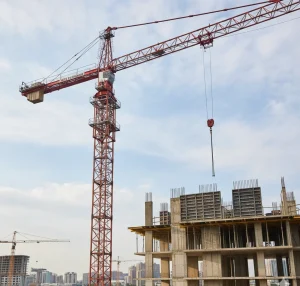
What Is a Building Tower Crane?
A building tower crane is a tall, fixed machine used on construction sites to lift steel, concrete, and other heavy materials to great heights. It’s an essential piece of equipment for building high-rise structures safely and efficiently. At Everest Engineering, material hoist lift our cranes are built to handle the toughest jobs while ensuring the safety of both operators and workers.
Unlike mobile cranes, tower cranes are installed on-site and can reach remarkable heights. Their stability and lifting capacity make them a cornerstone of urban construction projects across India.
Types of Building Tower Cranes
Understanding the types of building tower cranes helps construction teams choose the right lattice girders one for each project. Some of the most common types include:
- Hammerhead Tower Crane: Ideal for lifting heavy loads horizontally.
- Luffing Jib Tower Crane: Perfect for working in tight urban spaces.
- Self-Erecting Tower Crane: Designed for smaller sites where quick setup is needed.
- Topless Tower Crane: Commonly used when height restrictions apply.
At Everest Engineering, we help clients select the perfect crane type based on their project’s size, height, and load requirements.
How Does a Building Tower Crane Work?
The working principle of a building tower crane is fascinating. Imagine a tall vertical mast fixed to a sturdy base, supporting a long horizontal jib that extends out like an arm. The crane’s trolley moves along this jib to lift and position materials precisely Heavy-duty flow meter for construction where they’re needed.
Hydraulic motors and counterweights keep everything balanced. The operator, sitting high up in the control cabin, maneuvers the crane using advanced controls that ensure smooth and safe operation. Everest Engineering designs every system with precision and stability in mind.
Building Tower Crane Installation Process
The building tower crane installation process is a careful combination of planning, engineering, and safety. At Everest Engineering, our installation begins with a strong concrete foundation. Then, the crane is assembled section by section using mobile cranes.
Once the mast is secured, the jib and counter-jib are attached. The CNC Stirrup Bender final step is the installation of the operator’s cabin and control system. Every stage of this process is supervised by trained professionals to ensure the crane operates flawlessly from the start.
Building Tower Crane Components
A building tower crane might look simple from a distance, but it’s made of several key components:
- Mast: The vertical structure providing height and support.
- Jib (Working Arm): The part that extends horizontally to lift materials.
- Counter Jib: Holds counterweights to balance the load.
- Slewing Unit: Allows the crane to rotate 360 degrees.
- Operator’s Cabin: Where the operator controls all crane movements.
At Everest Engineering, every component is tested for strength, reliability, and safety.
Safety Measures for Building Tower Cranes
Safety is at the heart of every operation. Some crucial safety measures for building tower cranes include:
- Regular inspection before each operation.
- Proper load calculation to prevent overloading.
- Ensuring strong wind conditions are monitored.
- Installing limit switches and emergency brakes.
- Using trained and certified operators only.
Everest Engineering emphasizes safety in both design and operation. Our cranes come equipped with advanced safety features to protect both people and property.
Building Tower Crane Maintenance
Like any heavy machinery, building tower crane maintenance is vital to ensure CNC Double Bender longevity and performance. Regular lubrication, cable inspections, and control system checks prevent breakdowns and keep operations smooth.
At Everest Engineering, we provide maintenance services that include routine checks, emergency support, and parts replacement to keep your crane in perfect working condition year-round.
Uses of Tower Crane in Construction
The uses of tower crane in construction are nearly endless. From lifting steel beams and concrete slabs to positioning large mechanical equipment, tower cranes make impossible tasks look effortless. Without them, building tall structures would be CNC Cage Making Machines time-consuming and dangerous.
Everest Engineering continues to play a vital role in India’s growing infrastructure by supplying cranes that combine technology, safety, and durability.
Final Thoughts
A building tower crane is more than just machinery it’s a symbol of progress. It helps cities grow, buildings rise, and dreams take shape. Choosing the right crane partner is equally important, and Everest Engineering takes pride in being that trusted name for construction professionals across the country.
Whether you need advice on the types of building tower cranes, help with the building tower crane installation process, or regular building tower crane maintenance, Everest Engineering is here to support you every step of the way.
Frequently Asked Questions
1. What is a building tower crane and why is it important?
A building tower crane is a tall lifting machine used to move heavy materials like steel, concrete, and machinery on construction sites. It helps save time, improve efficiency, and make high-rise construction safer and faster.
2. What are the main types of building tower cranes?
There are several types of building tower cranes, including hammerhead, luffing jib, self-erecting, and topless tower cranes. Each type is designed for specific site conditions, load capacity, and project height requirements.
3. How does a building tower crane work?
If you’ve ever wondered how does a building tower crane work, it operates by using a mast for height, a jib for lifting loads, and counterweights for balance. The operator controls the crane from a cabin using electric or hydraulic systems.
4. What is the building tower crane installation process?
The building tower crane installation process involves setting up a strong concrete base, assembling the mast, jib, and counterweights, and ensuring all safety checks are done. Professional technicians handle the process for stability and safety.
5. What are the key building tower crane components?
The major building tower crane components include the mast, jib, counter-jib, slewing unit, and operator’s cabin. Each component plays a vital role in maintaining balance, strength, and lifting performance during construction.
6. What safety measures for building tower cranes should be followed?
Some important safety measures for building tower cranes include daily inspections, proper load management, weather monitoring, and trained operators. Regular maintenance and adherence to safety guidelines prevent accidents on-site.
7. Why is regular building tower crane maintenance important?
Routine building tower crane maintenance ensures the crane operates smoothly and safely. Maintenance includes checking cables, brakes, and hydraulic systems to avoid breakdowns and extend the machine’s lifespan.
8. What are the common uses of tower crane in construction?
The uses of tower crane in construction include lifting heavy steel structures, concrete blocks, and machinery to high elevations. They make large-scale construction projects faster, more efficient, and safer for workers.
9. How do operators stay safe while working with building tower cranes?
Operators follow strict safety measures for building tower cranes, including wearing protective gear, monitoring weather conditions, and performing daily checks before use. This ensures a safe and controlled working environment.
10. How often should a building tower crane be inspected and maintained?
Experts recommend that building tower crane maintenance be done after every major operation or at least once a month. Frequent inspections help detect wear and tear early, reducing risks and ensuring peak performance.
Important Links
Blog
Sitemap
About Us
Contact Us
Privacy Policy
Products
Infrastructure Equipments
Girder Launcher
Girder Transporter
Straddle Carrier
Construction Equipment
Tower Cranes
Passenger cum Material Hoists
Mast Climbing Platforms
Anti Collision Devices
Rebar Processing Machines
CNC Stirrup Bender
CNC Double Bender
CNC Shear Line
CNC Cage Making Machines
Lattice Girder Machines
Weld Mesh Plant
Services
Office Address
B1201-1202, Shelton Sapphire, Plot 18-19, Sector 15, CBD Belapur, Navi Mumbai – 400614
Emails
Phone