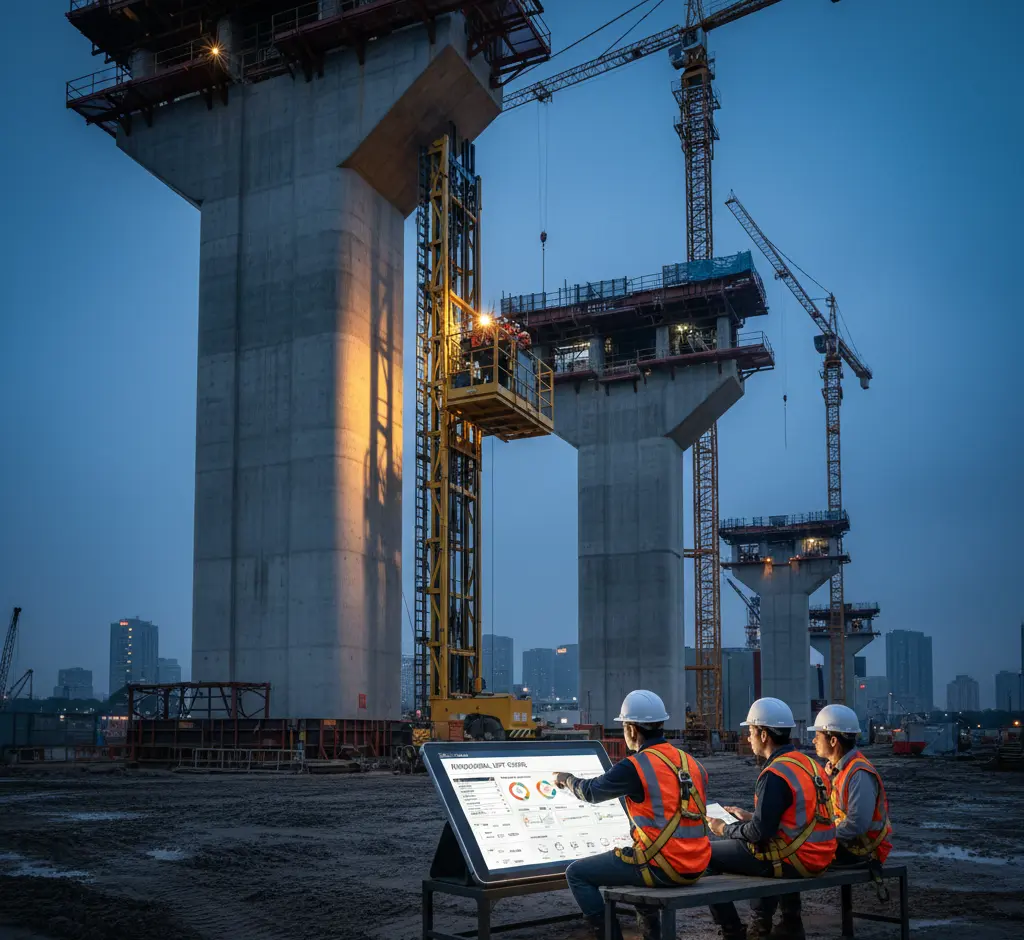
Industrial Lift Guide: Everything You Need to Know
Industrial Lift Guide: Everything You Need to Know
Imagine walking into a busy warehouse or construction site and seeing heavy materials being lifted safely and efficiently. Industrial lifts are the unsung heroes that make these operations smooth and reliable. But if you’ve ever wondered about industrial lift types, how they work, and why they’re so crucial, you’re not alone. In this guide, we’ll walk you through everything you need to know about industrial lifts from their applications to safety and maintenance tips.
What Are Industrial Lifts?
Industrial lifts are mechanical devices designed to transport heavy goods or personnel vertically or horizontally in factories, warehouses, or construction sites. Unlike regular elevators, industrial lifts are built to handle high loads, rugged conditions, and continuous use. Understanding industrial lift types can help you choose the right one for your business.
Industrial Lift Types
When it comes to industrial lifts, one size does not fit all. Here are the most common industrial lift types you’ll encounter:
- Hydraulic Lifts – Powered by hydraulic fluid, these lifts offer smooth operation and can handle heavy weights, making them ideal for warehouses.
- Scissor Lifts – Recognizable by their crisscrossing support structure, scissor lifts are excellent for reaching elevated work areas safely.
- Vertical Platform Lifts – Perfect for lifting goods between floors in factories or retail spaces.
- Electric Chain Lifts – These are efficient for repetitive lifting tasks, often used in assembly lines.
Each industrial lift type is designed with specific applications and weight capacities in mind. Choosing the right one ensures efficiency, safety, and longevity.
How Industrial Lifts Work
Ever wondered how industrial lifts move such heavy loads with precision? Most industrial lifts operate using hydraulic, electric, or pneumatic systems. For example, hydraulic lifts push fluid through cylinders to create smooth vertical motion, while electric chain lifts rely on motorized chains to hoist materials.
Regardless of the mechanism, the principle is simple: controlled power moves the platform or carriage to lift or lower goods safely. Understanding how industrial lifts work helps operators use them efficiently and reduces wear and tear.
Checkout : Lattice Girder Machines | CNC Stirrup Bender | CNC Cage Making Machines
Industrial Lift Safety Tips
Safety is paramount when using industrial lifts. Here are some key industrial lift safety tips:
- Always follow weight limits – Overloading can cause accidents and damage equipment.
- Regular inspections – Check for worn-out cables, hydraulic leaks, or malfunctioning controls.
- Proper training – Only trained personnel should operate industrial lifts.
- Use safety gear – Gloves, helmets, and harnesses can prevent injuries.
By integrating these safety measures, businesses can ensure both employee safety and equipment longevity.
Industrial Lift Maintenance Guide
Maintaining an industrial lift is crucial to keep it running smoothly. A proper industrial lift maintenance guide should include:
- Lubrication – Regularly lubricate moving parts to reduce friction.
- Inspection – Conduct frequent checks for structural integrity.
- Cleaning – Keep the lift free from debris and dust.
- Professional servicing – Schedule annual servicing by certified technicians.
Following these steps not only extends the lifespan of your lift but also prevents costly downtime.
Benefits of Industrial Lifts
Why invest in industrial lifts? Here are some advantages:
- Increased efficiency – Move heavy loads faster and safer.
- Reduced labor costs – Less manual handling means lower operational costs.
- Enhanced safety – Prevent workplace injuries by reducing manual lifting.
- Versatility – Suitable for warehouses, factories, and construction sites.
From lifting pallets in a warehouse to transporting equipment in a factory, industrial lifts offer unmatched convenience.
Industrial Lift Applications
Industrial lifts are used across various industries:
- Warehouses – For moving goods between storage levels.
- Manufacturing units – To lift machinery and raw materials.
- Construction sites – For transporting heavy materials safely.
- Retail spaces – For stocking and inventory management.
Think of an industrial lift as a reliable assistant that can handle repetitive, heavy tasks efficiently, saving time and energy.
Choosing the Right Industrial Lift
Selecting the right industrial lift depends on your specific needs. Ask yourself:
- What weight capacity do I need?
- How high do I need to lift materials?
- Will the lift be used indoors or outdoors?
- How frequently will it be used?
By answering these questions, you can choose the perfect lift for your operation, ensuring safety, productivity, and cost-efficiency.
Conclusion
Industrial lifts are indispensable in modern industries. From warehouses to factories, these machines make heavy lifting safer, faster, and more reliable. Understanding industrial lift types, how they work, and their maintenance ensures your operations run smoothly. Next time you see a lift in action, you’ll appreciate the technology and planning behind every movement.
Frequently Asked Questions
1. What are the common industrial lift types?
Common types include hydraulic lifts, scissor lifts, vertical platform lifts, and electric chain lifts.
2. How do industrial lifts work?
They operate using hydraulic, electric, or pneumatic systems to move loads safely and efficiently.
3. What are industrial lift safety tips?
Follow weight limits, inspect regularly, train operators, and use proper safety gear.
4. Why is industrial lift maintenance important?
Proper maintenance prevents breakdowns, ensures safety, and extends equipment lifespan.
5. What are the benefits of industrial lifts?
Benefits include efficiency, reduced labor costs, enhanced safety, and versatility across industries.
6. Where are industrial lifts used?
They are widely used in warehouses, factories, construction sites, and retail spaces.
7. How often should industrial lifts be inspected?
Industrial lifts should be inspected at least monthly for minor issues and professionally serviced annually to ensure safety and smooth operation.
8. Can industrial lifts be customized for specific needs?
Yes! Many industrial lifts can be customized for weight capacity, platform size, and operational height to match specific business or industry requirements.
9. Are industrial lifts energy efficient?
Modern industrial lifts, especially electric and hydraulic models, are designed to be energy-efficient, reducing operational costs while maintaining high performance.
10. Can industrial lifts improve workplace safety?
Absolutely. By minimizing manual lifting and providing controlled movement for heavy loads, industrial lifts significantly reduce the risk of workplace injuries.
{ "@context": "https://schema.org", "@type": "FAQPage", "mainEntity": [{ "@type": "Question", "name": "What are the common industrial lift types?", "acceptedAnswer": { "@type": "Answer", "text": "Common types include hydraulic lifts, scissor lifts, vertical platform lifts, and electric chain lifts." } },{ "@type": "Question", "name": "How do industrial lifts work?", "acceptedAnswer": { "@type": "Answer", "text": "They operate using hydraulic, electric, or pneumatic systems to move loads safely and efficiently." } },{ "@type": "Question", "name": "What are industrial lift safety tips?", "acceptedAnswer": { "@type": "Answer", "text": "Follow weight limits, inspect regularly, train operators, and use proper safety gear." } },{ "@type": "Question", "name": "Why is industrial lift maintenance important?", "acceptedAnswer": { "@type": "Answer", "text": "Proper maintenance prevents breakdowns, ensures safety, and extends equipment lifespan." } },{ "@type": "Question", "name": "What are the benefits of industrial lifts?", "acceptedAnswer": { "@type": "Answer", "text": "Benefits include efficiency, reduced labor costs, enhanced safety, and versatility across industries." } },{ "@type": "Question", "name": "Where are industrial lifts used?", "acceptedAnswer": { "@type": "Answer", "text": "They are widely used in warehouses, factories, construction sites, and retail spaces." } },{ "@type": "Question", "name": "How often should industrial lifts be inspected?", "acceptedAnswer": { "@type": "Answer", "text": "Industrial lifts should be inspected at least monthly for minor issues and professionally serviced annually to ensure safety and smooth operation." } },{ "@type": "Question", "name": "Can industrial lifts be customized for specific needs?", "acceptedAnswer": { "@type": "Answer", "text": "Yes! Many industrial lifts can be customized for weight capacity, platform size, and operational height to match specific business or industry requirements." } },{ "@type": "Question", "name": "Are industrial lifts energy efficient?", "acceptedAnswer": { "@type": "Answer", "text": "Modern industrial lifts, especially electric and hydraulic models, are designed to be energy-efficient, reducing operational costs while maintaining high performance." } },{ "@type": "Question", "name": "Can industrial lifts improve workplace safety?", "acceptedAnswer": { "@type": "Answer", "text": "Absolutely. By minimizing manual lifting and providing controlled movement for heavy loads, industrial lifts significantly reduce the risk of workplace injuries." } }] }
Infrastructure Equipments Girder Launcher Girder Transporter Straddle Carrier Construction Equipment Tower Cranes Passenger cum Material Hoists Mast Climbing Platforms Anti Collision Devices Rebar Processing Machines CNC Stirrup Bender CNC Double Bender CNC Shear Line CNC Cage Making Machines Lattice Girder Machines Weld Mesh Plant
Spare Parts & AMC Installation and Dismantling
B1201-1202, Shelton Sapphire, Plot 18-19, Sector 15, CBD Belapur, Navi Mumbai – 400614
+91 22 27570729 +91 22 20871145 +91 8108589896